Plastics Holding All Food & Water is Absorbed & Eaten & 6PPD Awareness
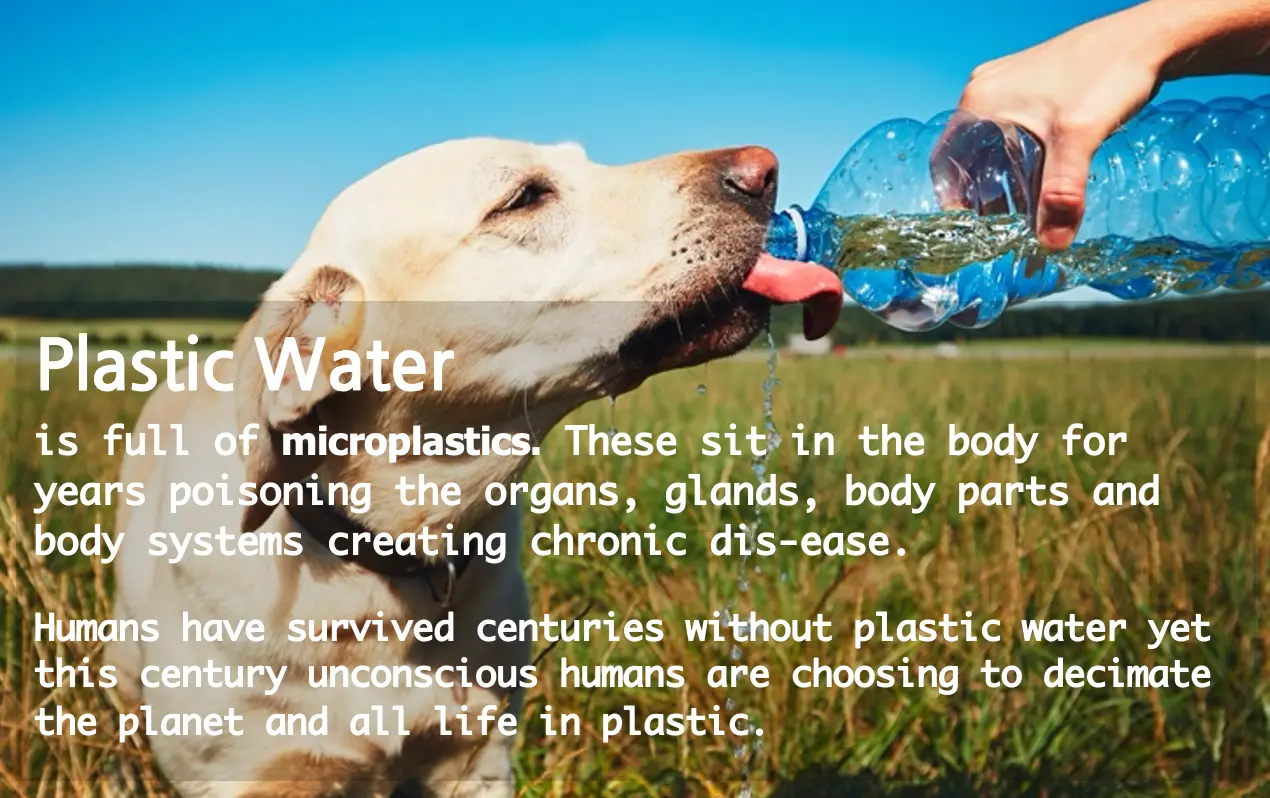
Plastics are not self-containing. They leach as soon as they come in contact with our food and water. I consistently find plastics in the animals as a result of the packaging, and in all baked products. Most flour I am finding has microplastics in it no matter how much goodness is marketed to the consumer.
Please note, anything that has traveled in a supply chain sitting in transport trucks, warehouses and sitting final destinations for unloading. where there is heat, the plastics have been baked into the food and liquid, this will mean most likely a whole host of chemicals too.
BPA was said to be removed however, this was only to be replaced with just as harmful chemical. DEHP, Diethyhexyl phthalate is also mentioned when looking up plastics, used as a softener and is supposed to be removed from the marketplace.
All phthalates, a group of chemicals used to soften plastic, are hormone disrupters, affecting all the organs and glands especially the thyroid leading to metabolic imbalance. Note, these are in medical devices too, see Health Canada’s reference below.
Plastic from my experience then causes an overgrowth of fungus and yeast in the body. Once the plastics are negated then both these toxins are cleared and do not continue to propagate, I find. This is very important to understand, when I find fungus and yeast prevalent in the body – there is usually always plastics.
How is your animal exposed to plastic?
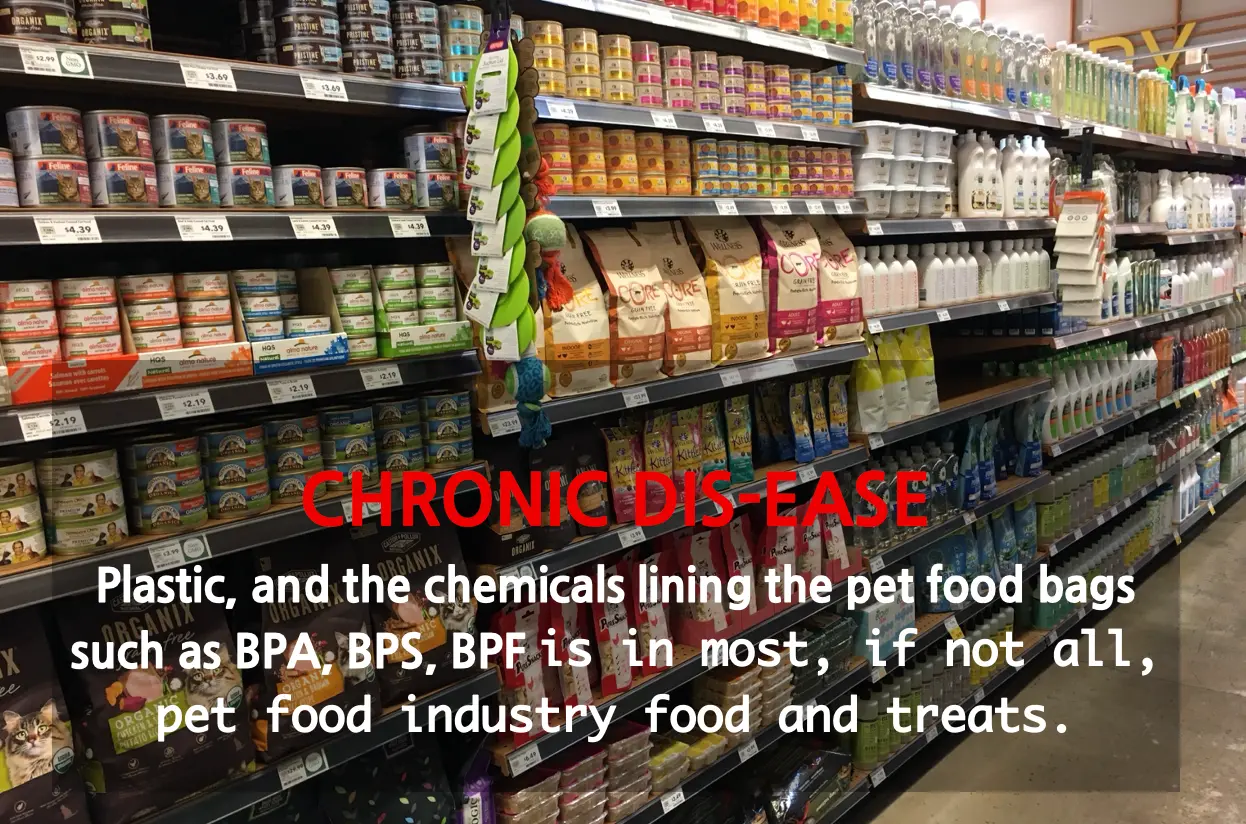
- Any food and or treats purchased in plastic bags, and this includes all dry food and treats
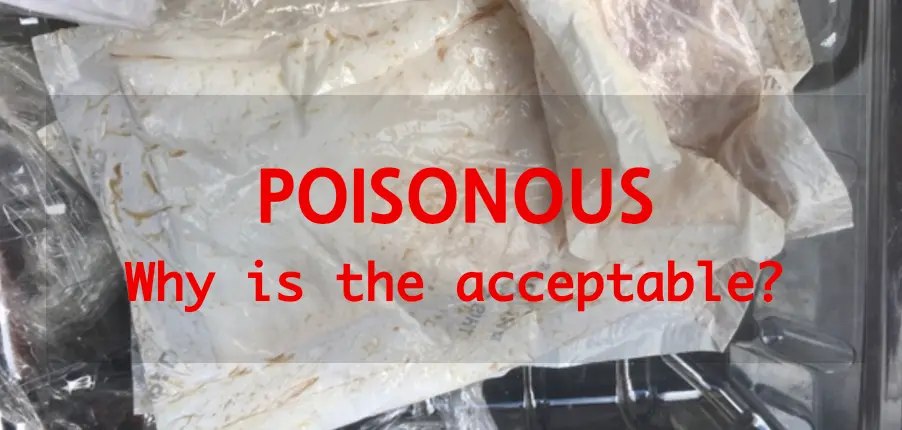
- Plastic trays, any food including meat purchased on plastic trays; 2025 April just clearing a tone of plastic from a dog where beef is purchased on plastic trays with these absorbers below. Even with such good intentions regarding the food by the pet owners, it is really hard now as we have allowed the marketplace to be so infiltrated with this toxin. This is causing fungus to grow in the body.
- Food Tray Absorbers shown below. I the product swells in water, how can this be good for our food when we are 70% water?
- https://blog.chasecorp.com/zappa-stewart/what-is-superabsorbent-polymer-made-from; MSDS’s below in Resources section says toxic over and over again.
Our animals’ bodies are not designed to come into contact or process plastics. The goal is to limit exposure as much as possible.
One avenue of many modalities presented o this website for clearing plastics from the body is to take the homeopathic remedy Rhus Toxicodendron 30C 2 pellets. This is the remedy also used to help clear the toxins associated with ligament, mobility issues in the homeopathic world. See the correlation? It is all about toxicity in the body blocking the body’s innate intelligence.
How Do Plastics Contribute to Imbalance in the Body?
When there are plastics in the body, the following imbalances then flourish:
The above imbalances are almost always in the body when plastics are present especially fungus and yeast.
2026 April 30, today I found BPF in my pancreas. This was from eating granola locally made but distributed in a plastic bag. Therefore, I will be making my own granola from now on.
2026 June, I was down in Florida, all businesses were heavy on the plastics everywhere we found. Really crazy as it seems no environmental awareness about this at all in grocery stores re bags and in all restaurants not to mention the health implications.
One young lady told us in her restaurant it was to do with their limited septic system which was not able to process enough water for the dishwashers to clean glasses so they were offering most of their beverages in plastic. So really this is a cost decision, landfill or paying for septic drainage. And no one seems to care?
I got home and my body was not calibrating my weight properly. Only to find working on myself – the toxins disrupting my gut were: BPA, BPS, BPF.
Tires & 6PPD-Quinone
This is information regarding car tire dust for those who live in the city and are having their dogs sit close to the roads as cars go by. Car tires are made of this syntenic material called 6PPD Quinone which is running off into waterways affecting fish negatively in a big way. Wildlife and farms will also be impacted I feel immensely as how does this stuff breakdown? If ever?
This is something to be aware of and conscious of when purchasing a car, tires and when out walking your animals regarding exposure to cars and traffic.
The Deadly, Little-Known Side Effect Of Car Tire Dust | Forbes
Resources